


A home poker table is a purpose-built playing surface designed to organise home games: it gives every player a defined space, keeps chips and cards in order, and replicates the structure of a casino environment at home. Choosing the right one comes down to four factors: space, player count, surface quality, and budget, in that order.
At a glance: Round tables suit 5-6 players; oval tables suit 7-10. Speed cloth outperforms standard felt for durability and card handling. The mid-range ($250–$350) is the sweet spot for most home games. A stable frame and firm rail matter more than any accessory.
This guide covers everything you need to buy the right poker table, from surface materials and sizing to budget tiers and build quality.
What to decide before you start shopping
Two questions narrow your shortlist faster than any spec sheet.
How much space do you have? A full-size oval table needs a room at least 14 feet long and 6 feet wide once chairs are in, and players need to be able to stand without shuffling sideways. Measure the room before you look at tables, not after.
How often do you play? Weekly games demand durability and comfort. Monthly games make portability and storage more important. Let your honest answer steer the decision, not the table you wish you needed.
Poker table sizes and shapes
Forget your best-case scenario. Table shape and size should follow your typical player count.
Round and octagonal tables suit 5-6 players and take up less floor space. Oval tables are the standard for larger poker games: 72-84 inches comfortably seats 7-9 players, while 90-104 inches is the range for 10. Oval is also the format used in casinos, making it the natural choice for full-ring games.
Rule: size the table to your usual turnout, not your invitation list.
Playing surface: felt vs speed cloth
The playing surface determines how cards deal, how chip stacks behave, and how the table holds up over time. There are two main options.
Standard felt is the traditional choice. It looks the part but wears faster, sheds lint, and can cause cards to stick during deals, slowing the game and occasionally flipping cards. Colour options are usually limited to green.
Speed cloth is a synthetic, Teflon-coated fabric. Cards glide cleanly, chip stacks stay stable, and the surface holds up after years of regular play. It's the material used on casino tables for exactly these reasons, and it's the better choice for anyone playing more than occasionally.
Rule: prioritise surface quality over colour options or printed graphics.
Rail, frame, and build quality
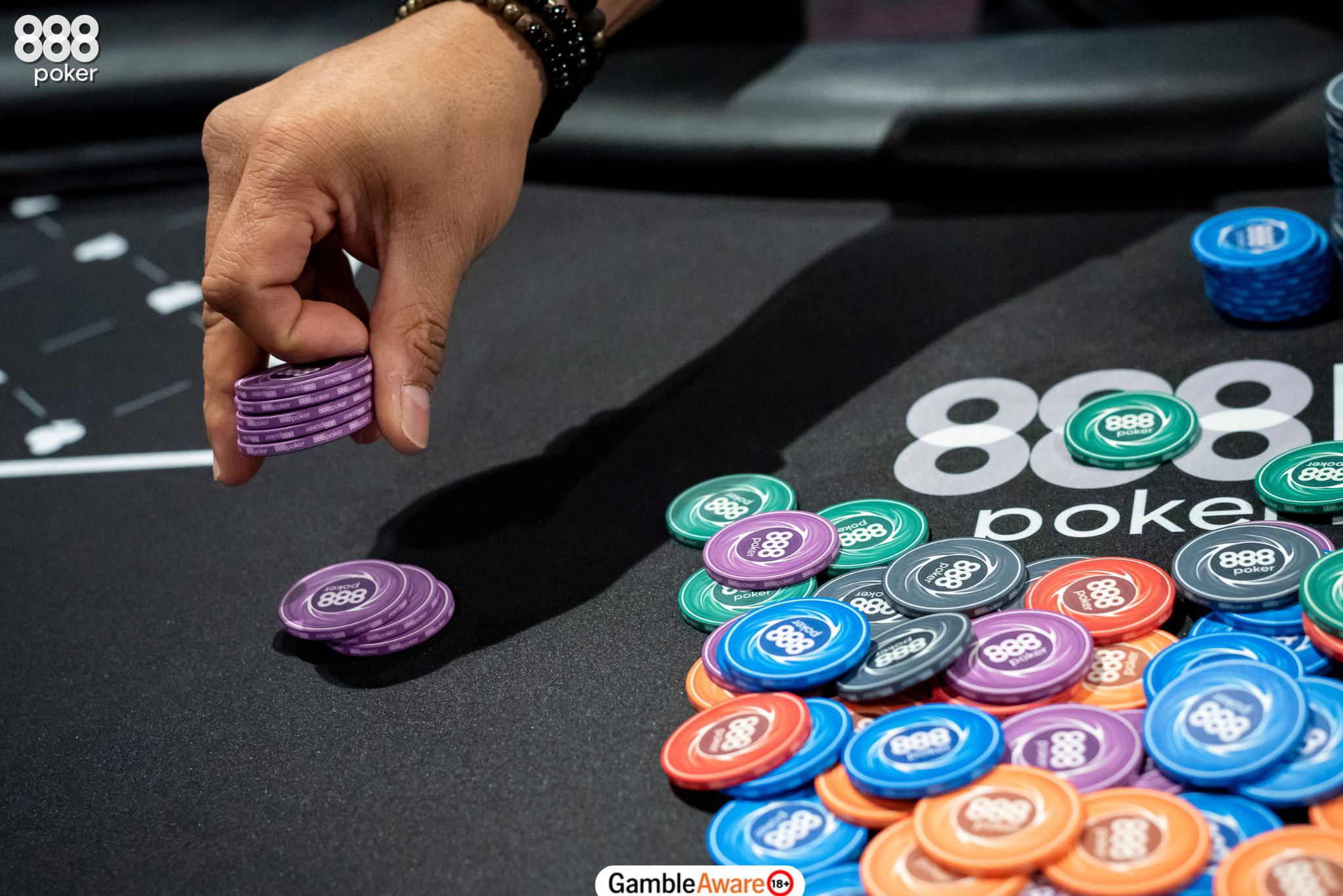
Players lean on the rail for hours. Padding that's too thin becomes uncomfortable fast; padding that's too soft collapses under pressure. Firm and consistent beats plush every time. Think yoga mat, not pillow.
The rail covering should be vinyl or leather, easy to wipe clean after drinks inevitably arrive. Cup holders reduce spillage risk but don't eliminate it.
For the frame and legs: stability is non-negotiable. A wobbly table collapses chip stacks, generates arguments, and kills the atmosphere. If you can test the table in person, give it a gentle shake – it should feel solid enough to handle leaning, slamming, and the occasional poker bluff gone wrong. Solid wood frames (oak is a reliable choice) outperform MDF and most metal-legged foldable options for long-term stability.
Rule: a stable frame and a firm rail matter more than any accessory.
Budget tiers: how much does a poker table cost?
Poker tables range from $30 table toppers to $5,000+ custom builds. Here's what each tier realistically delivers.
Table toppers ($30-$50): Lay over any existing table. Best for occasional use or very limited space. Don't expect durability or a serious playing surface.
Basic standalone tables ($160-$200): Functional for casual games. Build quality and surface materials are entry-level. They're not the right choice if you play weekly.
Mid-range ($250-$350): The sweet spot for most home games. Sturdier frames, better surface materials, and more comfortable rails. This is where value peaks for regular players.
Premium and custom ($1,500+): Solid wood construction, speed cloth surfaces, LED rails, charging ports, and full customisation. Brands like BBO Poker Tables and Gorilla Gaming operate at this level. The investment makes sense if you play regularly and have a dedicated room for it.
Rule: buy the best build and surface your budget allows. Add accessories later.
Foldable tables and toppers
A foldable poker table is a purpose-built table with hinged legs that folds flat for storage. It's a practical solution when space is limited.
Modern foldable options fold down quickly, store flat, and still provide a proper felt surface and padded rail. At $250-$400, you can get a foldable table that seats nine or ten and holds up well for several years. Spend under $150 and you'll likely get wobbly legs and a surface that won't last.
A topper is the simplest entry point: no storage problem, no assembly, and a genuine improvement over a kitchen table. It won't impress anyone, but it works.
Rule: go permanent for weekly games; foldable or topper for limited space or infrequent play.
Chairs and accessories
Chairs are easy to overlook when you're focused on the table, but comfort over a three-hour session matters. Folding chairs work if they're stable. For regular games, cushioned chairs with adjustable height are worth the upgrade. Rolling chairs prevent floor scuffing and make it easier to get in and out. It's a small thing that adds up over a long night.
A mat or carpet under the table defines the poker area visually, protects the floor, and dampens noise. Useful if anyone lives below you.
Building your own poker table
A DIY poker table is a custom-built home game table constructed from raw materials (typically plywood, foam padding, speed cloth, and a vinyl or leather rail). Free plans are widely available online, and the build follows the same priority order as buying: size first, stability second, surface and comfort third.
Budget anywhere from a few hundred to several thousand dollars depending on materials and finishes. If you don't already own tools, a DIY build isn't always cheaper than buying, so price materials and tools before committing.
Key takeaways
- A poker table organises home games by giving every player defined space and replicating casino structure.
- Measure your room with chairs included before choosing a table size.
- Round and octagonal tables suit 5-6 players; oval tables suit 7-10.
- Speed cloth outperforms standard felt for durability, card handling, and longevity.
- A stable frame and firm rail matter more than accessories like cup holders or LED lighting.
- The mid-range ($250-$350) is the sweet spot for most regular home games.
- Foldable tables are a practical choice for limited space; toppers work for occasional play.
- DIY is rewarding but not always cheaper. Price materials and tools before starting.
Poker table FAQ
How much does a poker table cost?
Table toppers start at $30-$50. Basic standalone tables run $160-$200. Mid-range tables cost $250-$350. Premium and custom builds start around $1,500 and can reach $5,000 or more.
What size poker table do I need for a home game?
Round or octagonal tables suit 5-6 players. Oval tables at 72-84 inches suit 7-9 players. For 10 players, look at 90-104 inches. Always measure the room with chairs included before buying.
What is speed cloth and is it better than felt?
Speed cloth is a synthetic, Teflon-coated fabric used as a poker table playing surface. Cards glide across it cleanly, it resists wear, and it's easier to maintain than standard felt. For regular home games, speed cloth is the better choice.
What is the best poker table for a home game?
For 6-8 players playing regularly, a mid-range oval table ($250-$350) with a speed cloth surface and solid frame is the best all-round choice. For smaller groups or limited space, a quality round table or foldable option works well.
Can you build your own poker table?
Yes. A DIY poker table requires basic woodworking skills, plywood, foam, speed cloth, and a vinyl or leather rail. Free plans are widely available. Price materials and tools first – DIY isn't always cheaper than buying a mid-range table.
Where can I buy a poker table?
Budget tables and toppers are available at major retail chains. Mid-range and premium tables are best bought from specialist gaming or furniture retailers. For custom builds, brands like BBO Poker Tables offer full configuration options.
